Difference between Pleural, Peritoneal & Pericardial Mesothelioma
Asbestos is a slow and silent killer which does its work on a body over several decades without drawing attention to itself until the damage is severe and irreversible. The symptoms of mesothelioma normally do not appear until 20 to 50 years have passed after asbestos exposure. Those who experience early symptoms often mistake them for symptoms of common illnesses. Many mesothelioma victims do not experience any symptoms until the cancer is in the final stages. If you believe that you have been exposed to asbestos, talk to your doctor about mesothelioma screening before symptoms arise.
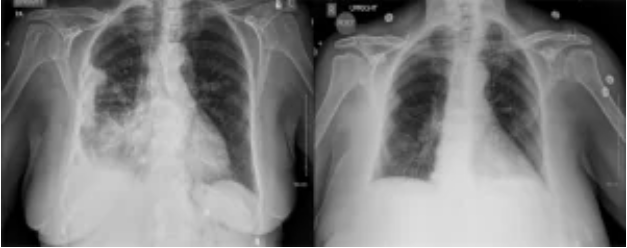
Pleural, peritoneal, and pericardial mesothelioma are three different types of cancer that originate in the mesothelial cells, which line various cavities in the body. These cancers are associated with exposure to asbestos, a naturally occurring mineral fiber. Each type of mesothelioma affects different areas of the body and presents with distinct symptoms and characteristics:
- Pleural Mesothelioma:
- Location: This type of mesothelioma affects the pleura, which is the thin membrane lining the lungs and chest cavity.
- Symptoms: Common symptoms include chest pain, difficulty breathing, coughing, and unexplained weight loss.
- Diagnosis: Diagnostic methods often include imaging studies (such as X-rays and CT scans) and biopsy.
- Prognosis: The prognosis for pleural mesothelioma varies but is often poor because it is frequently diagnosed in advanced stages.
- Peritoneal Mesothelioma:
- Location: Peritoneal mesothelioma affects the peritoneum, which is the lining of the abdominal cavity.
- Symptoms: Symptoms may include abdominal pain, swelling, weight loss, and digestive problems.
- Diagnosis: Similar to pleural mesothelioma, diagnosis typically involves imaging and biopsy.
- Prognosis: Peritoneal mesothelioma has a more favorable prognosis compared to pleural mesothelioma, especially if diagnosed early. Treatment may include surgery and heated intraperitoneal chemotherapy (HIPEC).
- Pericardial Mesothelioma:
- Location: This rare form of mesothelioma affects the pericardium, the lining of the heart’s protective sac.
- Symptoms: Symptoms can include chest pain, irregular heartbeat, and difficulty breathing.
- Diagnosis: Diagnosis may involve imaging studies, echocardiography, and biopsy.
- Prognosis: Pericardial mesothelioma is particularly rare, and prognosis is generally poor due to the proximity to vital organs. Treatment options are limited.
It’s important to note that all types of mesothelioma are primarily caused by exposure to asbestos, a known carcinogen. Preventing exposure to asbestos is crucial in reducing the risk of developing these cancers. If you have a history of asbestos exposure and experience any of the symptoms associated with mesothelioma, it’s essential to seek medical evaluation and appropriate diagnostic tests promptly. Early detection and treatment can significantly improve outcomes for individuals with mesothelioma.
Pleural Mesothelioma
Pleural mesothelioma is cancer of the lining which surrounds the lungs, called the pleura. Many of the symptoms of pleural mesothelioma are caused by pressure and restriction of movement created by thickening of the pleural membrane, fluid buildup (pleural effusion), and eventually the development of tumors. Symptoms of pleural mesothelioma include:
- Persistent dry, non-productive cough
- Wheezing
- Hoarseness
- Shortness of breath
- Shortness of breath when at rest
- Chest or rib pain
- Painful breathing
- Difficulty swallowing
- Coughing up blood
- Fluid surrounding the lungs (pleural effusion)
- Lumps under the skin on the chest
- Fatigue
- Unexplained weight loss
- Anemia
- Fever
- Night sweats
Peritoneal Mesothelioma
Peritoneal mesothelioma develops in the peritoneum which lines the abdominal cavity and surrounds, protects, lubricates, and supports the abdominal organs. Thickening of the peritoneum, fluid buildup, and tumors caused by peritoneal mesothelioma put pressure on the abdominal organs interfering with their function and causing pain. The symptoms of peritoneal mesothelioma can include digestive problems and difficulty breathing. Common symptoms of peritoneal mesothelioma include:
- Unexplained weight loss, often paired with larger abdomen
- Abdominal pain
- Nausea
- Vomiting
- Diarrhea
- Constipation
- Bowel obstruction
- Abdominal swelling
- Buildup of fluid in the abdomen
- Anemia
- Fatigue
- Difficulty breathing
- Fever
- Night sweats
- Lumps under the skin of the abdomen
Pericardial Mesothelioma
Pericardial mesothelioma is a rare form of mesothelioma. It is cancer of the protective sac around the heart. Pericardial mesothelioma puts pressure on the heart and interferes with its function. Symptoms include:
- Heart palpitations
- Irregular heartbeat
- Difficulty breathing
- Difficulty breathing or shortness of breath even when at rest
- Difficulty breathing when lying down
- Fatigue
- Chest pain
- Fever
- Night sweats
Almost all cases of mesothelioma are caused by asbestos exposure. There are a few other possible causes which have been linked to a very small percentage of mesothelioma cases. The amount of asbestos you were exposed to, how long the exposure lasted, the type of asbestos you were exposed to, and the age at which you were exposed all affect your likelihood to develop mesothelioma.
Pleural, peritoneal, and pericardial mesothelioma are three different types of cancer that originate in the mesothelial cells, which are the protective lining of various body cavities. These cancers are associated with exposure to asbestos, a mineral that was once commonly used in construction and other industries. Each type of mesothelioma is characterized by its location within the body and can have different symptoms, prognosis, and treatment options:
1- Pleural Mesothelioma:
-
- Location: This type of mesothelioma occurs in the pleura, which is the thin, double-layered membrane that surrounds the lungs and lines the chest cavity.
- Symptoms: Common symptoms include chest pain, shortness of breath, cough, and fluid buildup in the chest (pleural effusion).
- Prognosis: Pleural mesothelioma is the most common form of mesothelioma and typically has a poorer prognosis compared to other types. The outlook depends on factors like the stage of the cancer and the patient’s overall health.
- Treatment: Treatment may include surgery, chemotherapy, radiation therapy, and targeted therapy. Clinical trials and palliative care may also be options.
2- Peritoneal Mesothelioma:
- Location: Peritoneal mesothelioma develops in the peritoneum, which is the lining of the abdominal cavity.
- Symptoms: Symptoms may include abdominal pain, swelling or fluid buildup in the abdomen (ascites), weight loss, and digestive issues.
- Prognosis: Peritoneal mesothelioma generally has a better prognosis compared to pleural mesothelioma. However, the prognosis can still be challenging, and it depends on the stage of the disease and other factors.
- Treatment: Treatment often involves a combination of surgery, chemotherapy, and, in some cases, heated intraperitoneal chemotherapy (HIPEC) to directly treat the cancer within the abdominal cavity.
3- Pericardial Mesothelioma:
- Location: Pericardial mesothelioma affects the pericardium, which is the membrane surrounding the heart.
- Symptoms: Symptoms can include chest pain, irregular heartbeat, difficulty breathing, and fluid accumulation around the heart (pericardial effusion).
- Prognosis: Pericardial mesothelioma is extremely rare, and prognosis is generally poor. It is often diagnosed at an advanced stage because symptoms may not appear until later in the disease.
- Treatment: Treatment options for pericardial mesothelioma are limited, and they may include surgery to remove as much of the tumor as possible and management of symptoms through procedures like pericardiocentesis to drain excess fluid.
It’s important to note that early detection and a multidisciplinary approach to treatment, involving oncologists, surgeons, and other specialists, can improve the outcomes for mesothelioma patients. Additionally, patients and their families should consult with healthcare professionals to discuss their specific case and the most appropriate treatment options.
Asbestos
Asbestos fibers are tiny and sharp. When they are inhaled or ingested they can work their way into the mesothelium, which is the lining around your internal organs. Once lodged in the mesothelium they cause irritation and inflammation which eventually leads to cancer.
Inhalation is the most common way for asbestos to get into your body. When you inhale asbestos fibers you will typically cough many of the fiber back out before they get a chance to get lodged in your body. The more fibers you are exposed to, the higher the chance of fibers staying in your body. The more fibers that get lodged in the tissue the more inflammation they cause.
The majority of mesothelioma victims are people who worked around asbestos everyday for a significant amount of time. In most cases symptoms do not develop until 20 to 50 years after asbestos exposure. People who are exposed at a very early age are more likely to develop mesothelioma because they are more likely to live long enough for the cancer to develop.
There have been rare cases of patients who developed and died from mesothelioma within a few short years of exposure, because they were exposed to such a high dose of the toxic substance. This has happened to several of the emergency workers who responded to the 9/11 World Trade Center terrorist attacks.
The shape of the asbestos fibers also makes a difference. There are several types of asbestos and those types fall into two groups. Those in the amphibole group are straight and narrow, and more likely to cause mesothelioma because they get lodged in the body’s tissues more easily. Serpentine asbestos fibers are curled.
Other Possible Causes of Mesothelioma
A small number of mesothelioma cases have been found in people with no known asbestos exposure, and have been linked to other causes:
- High doses of radiation
- SV40 virus
- Zeolites