Determining a Mesothelioma Diagnosis | Malignant Mesothelioma
A mesothelioma diagnosis is always shocking, as it is with any serious illness. Sometimes patients are quite surprised when they hear the news, and wonder how the diagnosis was reached. Understanding the precise steps your doctor went through to determine whether you have mesothelioma or not can reassure you that the diagnosis is correct and that your doctor knows as much as possible about your particular condition and mesothelioma stage.
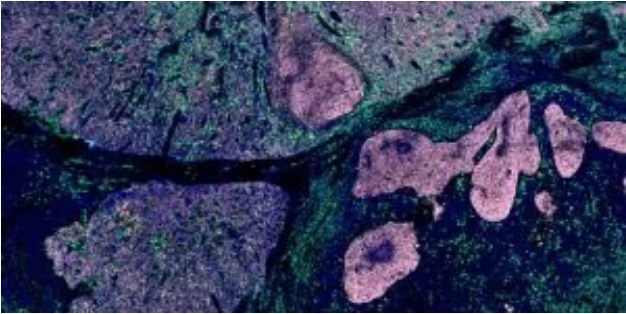
Malignant mesothelioma is a rare and aggressive cancer that primarily affects the mesothelium, a thin layer of tissue that lines the chest and abdominal cavities, as well as the outer surface of most internal organs. The most common cause of malignant mesothelioma is exposure to asbestos, a group of naturally occurring minerals that were widely used in various industries for their heat-resistant and insulating properties.
There are several types of mesothelioma
There are several types of mesothelioma, with the most common being pleural mesothelioma (affecting the lining of the lungs) and peritoneal mesothelioma (affecting the lining of the abdominal cavity). Other, less common types include pericardial mesothelioma (affecting the lining of the heart) and testicular mesothelioma (affecting the tunica vaginalis of the testicles).
Symptoms of malignant mesothelioma often do not appear until many years after asbestos exposure. Common symptoms can include:
- Shortness of breath
- Chest pain
- Cough
- Fatigue
- Unexplained weight loss
- Abdominal pain and swelling (for peritoneal mesothelioma)
- Pericardial effusion (for pericardial mesothelioma)
Diagnosis of mesothelioma
Diagnosis of mesothelioma typically involves imaging tests such as X-rays and CT scans, as well as a biopsy to confirm the presence of cancerous cells. Treatment options for malignant mesothelioma may include surgery, chemotherapy, radiation therapy, and immunotherapy, depending on the stage and location of the cancer.
Prognosis for malignant mesothelioma is generally poor
Prognosis for malignant mesothelioma is generally poor because it is often diagnosed at an advanced stage, and the disease can be quite aggressive. However, early detection and aggressive treatment may improve the chances of survival. In recent years, there has been ongoing research into more effective treatments for mesothelioma, including targeted therapies and immunotherapies, which offer hope for better outcomes in the future.
Preventing exposure to asbestos is the most effective way to reduce the risk of developing mesothelioma. Asbestos use has been heavily regulated and reduced in many countries, but individuals working in certain industries, such as construction, shipbuilding, and mining, may still be at risk. If you have been exposed to asbestos or have concerns ab
Diagnosis of malignant mesothelioma
A mesothelioma diagnosis is just the beginning – in fact, knowing what is wrong is simply the starting point for aggressive treatment to restore some level of health or comfort. Generally, a diagnosis of malignant mesothelioma cancer isn’t made until you’ve had several tests to not only determine the problem but to rule out other possibilities that can have similar symptoms as mesothelioma.
-
- Symptoms are the start. Very few people are diagnosed with mesothelioma simply because they present certain symptoms. This is because most mesothelioma symptoms can mimic those of other illnesses.
-
- Personal history may indicate likelihood of exposure. That is, your personal and work history may reveal that you are at risk because you were exposed to asbestos long-term or in high concentrations at some point in your life. Because of the link between asbestos and mesothelioma, knowing about your exposure can aid your doctor in diagnosing you.
-
- X-rays are helpful but limited. They are helpful because they will indicate the presence of fluid in the lungs (called pleural effusion) or, sometimes, the presence of a mass or tumor in the lung tissue. This may indicate that a mesothelioma diagnosis is definitely a possibility, but it isn’t definitive because other diseases can also cause these problems.
-
- CTs and MRIs are more specific. These two tests show the details of the affected area much more clearly than x-rays and can help determine whether the pleural area has thickened, calcified or been invaded by a tumor. CTs and MRIs are accurate enough to help determine which course of treatment is best for your mesothelioma cancer diagnosis.
- Biopsies are definitive. The thought of a tissue biopsy can be frightening. Just the thought of having tissue removed from your body is disconcerting, but a biopsy of the suspected mesothelioma area will confirm the mesothelioma diagnosis and indicate how virulent it is and how far it has advanced in the body. One way of collecting tissue for a biopsy that is often used in the case of a mesothelioma diagnosis is the VATS (video assisted thoracoscopic surgery) procedure. VATS uses a tiny camera inserted through various tiny incisions in the chest to look for, biopsy and examine small sections of lung tissue.
The diagnosis is simply the beginning
After combining the information from all of these sources and reviewing them carefully, your doctor may diagnose mesothelioma. It’s important to remember, however, that the diagnosis is simply the beginning. From here, your doctor will work with a medical team put together to slow or reverse the progression of the disease and make you as comfortable and pain-free as possible. Don’t let a mesothelioma diagnosis defeat you – today new strides are being made every day.
Determining a mesothelioma diagnosis is a complex process that involves various medical tests and examinations. Mesothelioma is a rare and aggressive form of cancer that primarily affects the mesothelial cells lining the chest and abdomen. It is primarily caused by exposure to asbestos, and its diagnosis usually requires the expertise of multiple healthcare professionals. Here is an overview of the steps involved in determining a malignant mesothelioma diagnosis:
-
Medical History and Physical Examination:
- A patient’s medical history, including any known exposure to asbestos, is taken.
- A physical examination is conducted to assess for signs and symptoms, such as shortness of breath, chest pain, unexplained weight loss, and fluid buildup in the chest or abdomen.
-
Imaging Tests:
- X-rays: Initial chest X-rays may reveal abnormalities, such as pleural effusions (fluid buildup in the chest) or thickening of the pleura (lining of the lungs).
- Computed Tomography (CT) Scan: CT scans provide more detailed images of the chest and abdomen, helping to identify tumors or abnormal masses.
- Magnetic Resonance Imaging (MRI): MRI scans are sometimes used to get more detailed images of the affected areas.
-
Biopsies:
- The definitive diagnosis of mesothelioma requires a biopsy to confirm the presence of cancerous cells.
- Types of biopsies for mesothelioma include fine-needle aspiration, core needle biopsy, or surgical biopsy.
- These samples are examined by a pathologist to determine the type and stage of mesothelioma.
-
Blood Tests:
- While there are no specific blood tests that can diagnose mesothelioma, certain markers like mesothelin and soluble mesothelin-related protein (SMRP) may be elevated in some cases and can provide additional diagnostic information.
-
Thoracoscopy or Laparoscopy:
- These minimally invasive procedures involve inserting a thin, flexible tube with a camera into the chest (thoracoscopy) or abdomen (laparoscopy) to directly view and obtain tissue samples for biopsy.
-
Staging:
- Once a diagnosis is confirmed, the stage of mesothelioma is determined. Staging helps determine the extent of cancer spread and guides treatment decisions.
- Staging typically involves imaging tests, such as CT or PET scans, and may also require further biopsies.
-
Multidisciplinary Team Consultation:
- Due to the complexity of mesothelioma, a multidisciplinary team of specialists, including oncologists, radiologists, pathologists, and surgeons, will collaborate to develop a treatment plan tailored to the patient’s specific case.
It’s important to note that early diagnosis is crucial for effective treatment of mesothelioma. If you suspect you have been exposed to asbestos and are experiencing symptoms, consult with a healthcare professional for a thorough evaluation. Also contact a Rhode Island mesothelioma lawyer. Diagnosing and treating mesothelioma often require specialized care from medical centers experienced in managing this rare disease.